What is Diabetes?
Diabetes is the body’s ability (or lack of it) to produce the required amount of a hormone called insulin to control glucose levels in the blood. Millions of people around the world live with diabetes or know someone living with diabetes. The majority have type 2 diabetes, but an important minority have type 1 diabetes (~5%). Contrary to popular belief, type 1 diabetes is not a childhood disease. It occurs at every age, in people of every race, and of every shape and size. In fact, there are more adults who have type 1 diabetes than children, although it was previously known as juvenile diabetes.
In type 1 diabetes, the body does not produce insulin. The body breaks down the carbohydrates you eat into blood glucose (also called blood sugar), which it uses for energy. Insulin is a hormone that the body needs to get glucose from the bloodstream into the cells of the body. With the help of insulin therapy and other treatments, even young children can learn to manage their condition and live long, healthy lives.
Type 2 diabetes is the most common form of diabetes. Diabetes is a problem with your body that causes blood glucose (sugar) levels to rise higher than normal. This is also called hyperglycemia. If you have type 2 diabetes your body does not use insulin properly. This is called insulin resistance. At first, your pancreas makes extra insulin to make up for it. But, over time it isn't able to keep up and can't make enough insulin to keep your blood glucose at normal levels.
What leads to Diabetes?
Type 1 and type 2 diabetes have different causes. Yet two factors are important in both. You inherit a predisposition to the disease then something in your environment triggers it.
Type 1:
In most cases of type 1 diabetes, people need to inherit risk factors from both parents. We think these factors must be more common in whites because whites have the highest rate of type 1 diabetes. Because most people who are at risk do not get diabetes, researchers want to find out what the environmental triggers are.

One trigger might be related to cold weather. Type 1 diabetes develops more often in winter than summer and is more common in places with cold climates. Another trigger might be viruses. Perhaps a virus that has only mild effects on most people triggers type 1 diabetes in others.
Type 2:
Type 2 diabetes has a stronger link to family history and lineage than type 1, although it too depends on environmental factors. Lifestyle also influences the development of type 2 diabetes. Obesity tends to run in families, and families tend to have similar eating and exercise habits.
If you have a family history of type 2 diabetes, it may be difficult to figure out whether your diabetes is due to lifestyle factors or genetic susceptibility. Most likely it is due to both. However, don’t lose heart. Studies show that it is possible to delay or prevent type 2 diabetes by exercising and losing weight.
Living with Diabetes
There is no cure for diabetes, but it can be managed. Balancing the food you eat with exercise and medicine (if prescribed) will help you control your weight and can keep your blood glucose in the healthy range. Exercise, or physical activity, includes anything that gets you moving, such as walking, dancing, or working in the yard. Regular physical activity is important for everyone, but it is especially important for people with diabetes and those at risk for diabetes. This can help prevent or delay complications. Many people with diabetes live long and healthful lives.
Type 1:
At its core, proper type 1 diabetes management is composed of a handful of elements: blood glucose control and insulin management, exercise, nutrition and support.
Medication
A diagnosis of type 1 diabetes means your pancreas is no longer capable of producing insulin. Through multiple daily injections with insulin pens or syringes or an insulin pump, it will be up to you to monitor your blood glucose levels and appropriately administer your insulin. You will need to work closely with your healthcare team to determine which insulin or insulins are best for you and your body.
Exercise
Exercise is also a key component of proper diabetes care. Along with all of the other benefits you will receive from being active, your diabetes will also respond in kind with more stable blood glucose levels.
Nutrition
Nutrition is one of the most important pieces of the diabetes puzzle. Learning how different foods affect your blood glucose and how manage that within your daily routine will be key. Working with a registered dietitian who has expertise in type 1 diabetes to establish a personalized eating plan is a great place to start. This will include a strategy for balancing food, insulin doses, and physical activity. It will be important to revisit your eating plan as your preferences and daily activities change over time. A dietitian can also provide valuable guidance if you need to lose weight
Type 2:
When you have type 2 diabetes, your body does not make enough insulin or use it well. Since your body's cells can't use the glucose from your food as energy, the glucose stays in your blood, where it can cause serious problems.
Choosing What, How Much, and When to Eat - While you may need to make some changes, you have flexibility in deciding what’s on the menu.
Getting Active - Being active is another part of living healthy and managing diabetes.
Aerobic Activity - Aerobic activity makes your heart and bones strong, relieves stress, helps your insulin work better and improves blood flow.
Weight Loss - Losing weight can improve your blood glucose, blood pressure and cholesterol.
Medicines - Your doctor may prescribe medicine to help get and keep your blood glucose in your target range.
Checking Blood Glucose - Checking your blood glucose is one way you can know how food, activity and medicine affect your blood glucose.
How Do You Feel? - Different people have different feelings about getting type 2 diabetes. Some people get angry or depressed.
Your family and friends can be a great source of support because they care about you.
Take the Prediabetes Risk Test/Type 2 Diabetes
It takes less than one minute to find out if you may have diabetes. Take this quick and easy test.
Gender
Hold up 1 finger if you are a man,
0 for women
How old are you?
Hold up 3 more fingers if you are over 60
2 fingers if over 50
1 finger if over 40
Are you physically active?
Hold 1 finger for No
0 for Yes
Anyone in your family have diabetes?
Hold up 1 finger for Yes
0 for No
Do you have high blood pressure?
Hold up 1 for Yes
0 for No
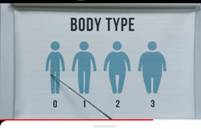
Are you overweight?
Find the body type that looks most like you from the diagram below and hold up that many fingers.
That’s it.
If you’re holding up 5 fingers or more, you probably have diabetes.
What should I do next?
See your healthcare provider and learn more about the National Diabetes Prevention Program lifestyle change program (https://www.cdc.gov/diabetesprogram/Icp-details.html).
Reference: http://www.DoIHavePrediabetes.org
Submitted by: The Healthcare Ministry